Create. Inspire. Make an Impact.
Vaping isn’t just a trend—it’s a choice. But what influences that choice? We challenged Monterey County youth to create a short film, art, poster, Instagram post, or spoken word piece that explores why young people choose to vape or not to vape.
~ Vaping Awareness Media Challenge Winners! ~
Congratulations to Monterey County youth who took on the challenge to create art in any form to share facts and tell stories that make someone think and feel different about vaping.
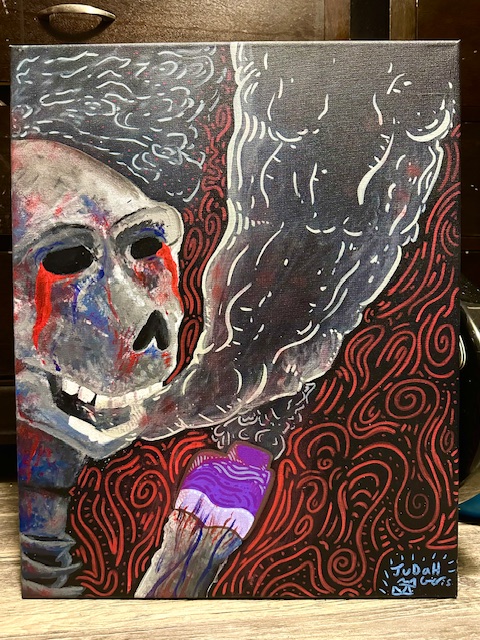
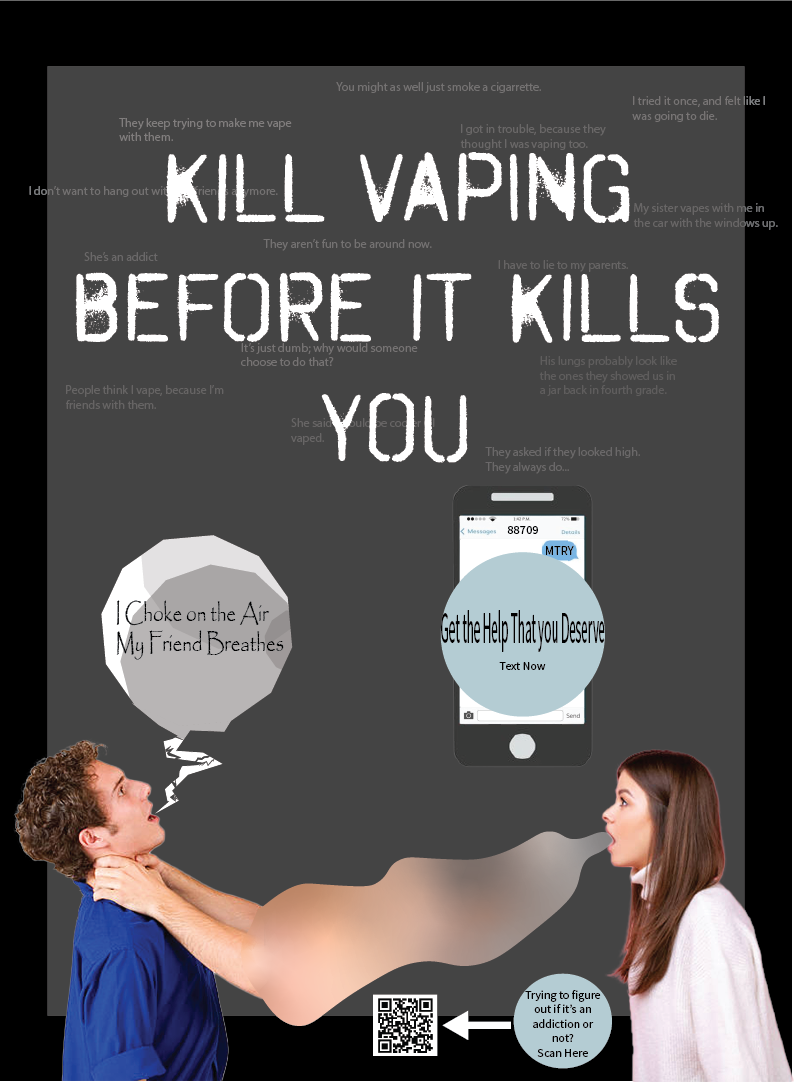
- First Place: “Air that Kills” by Judah-Joseph Garis
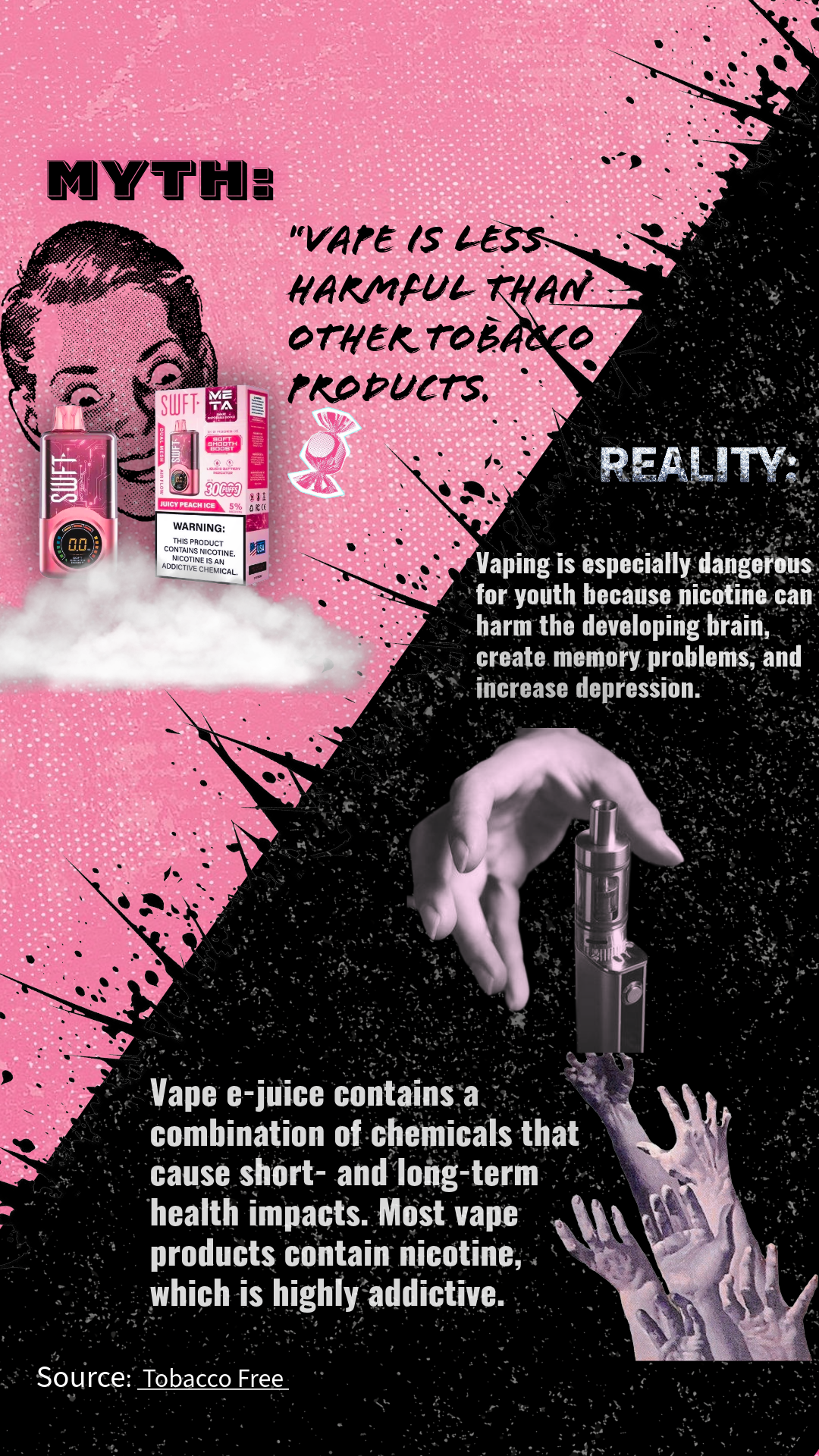
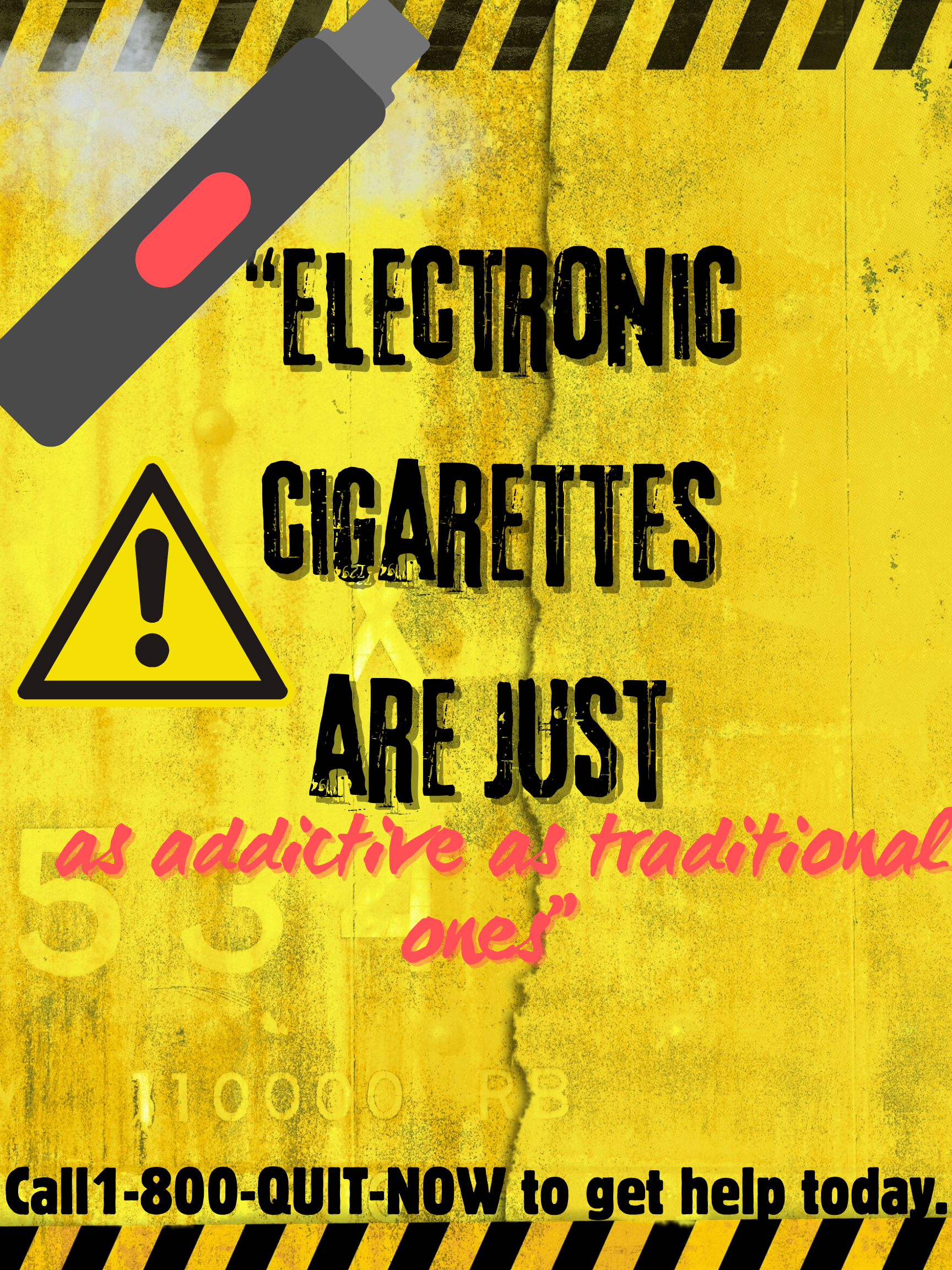
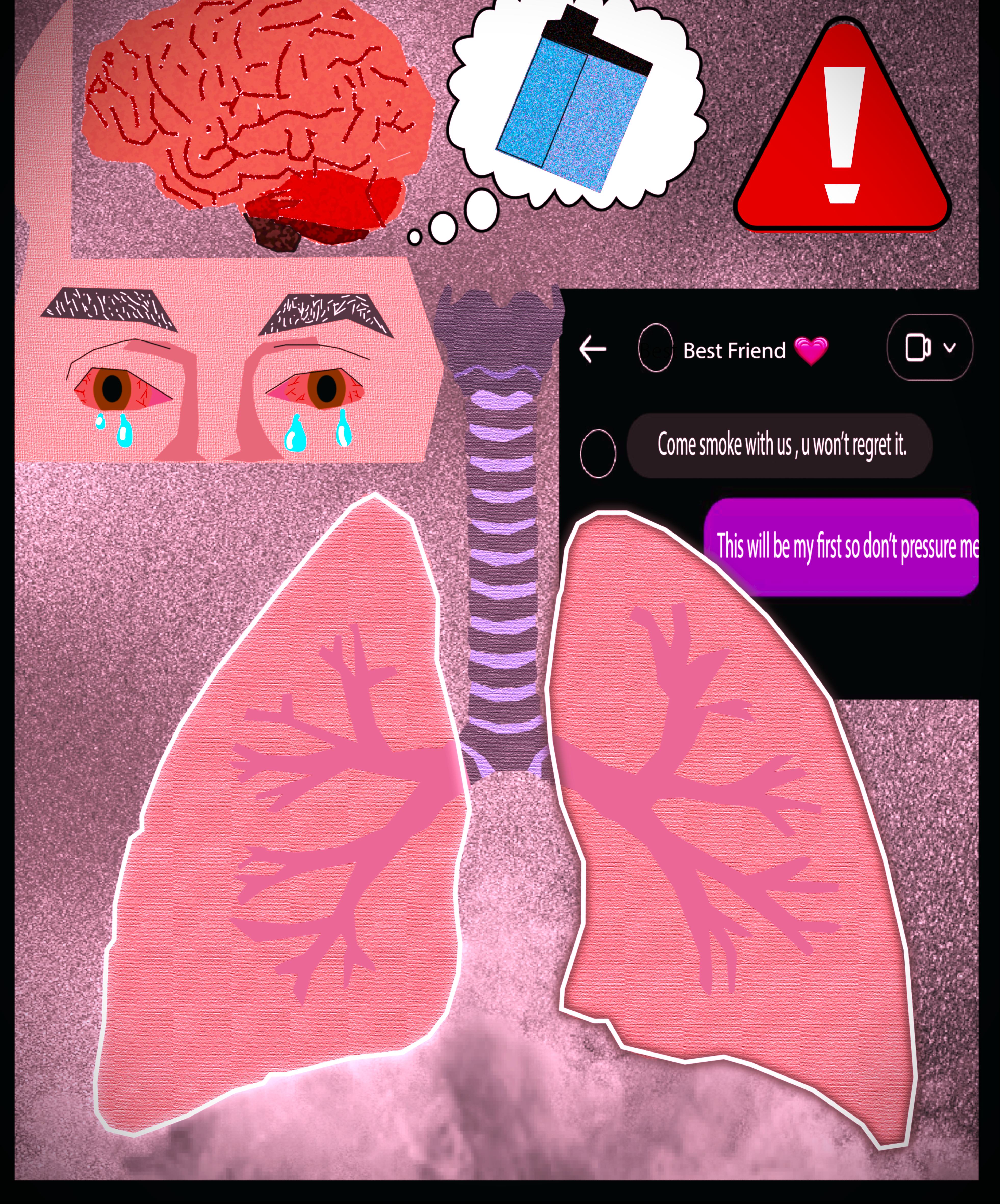
- Second Place: “Vape Awareness Poster” by Tatiana Perez Moreno
- Third Place: “Vaping Affects Everyone” by Alice Uchida
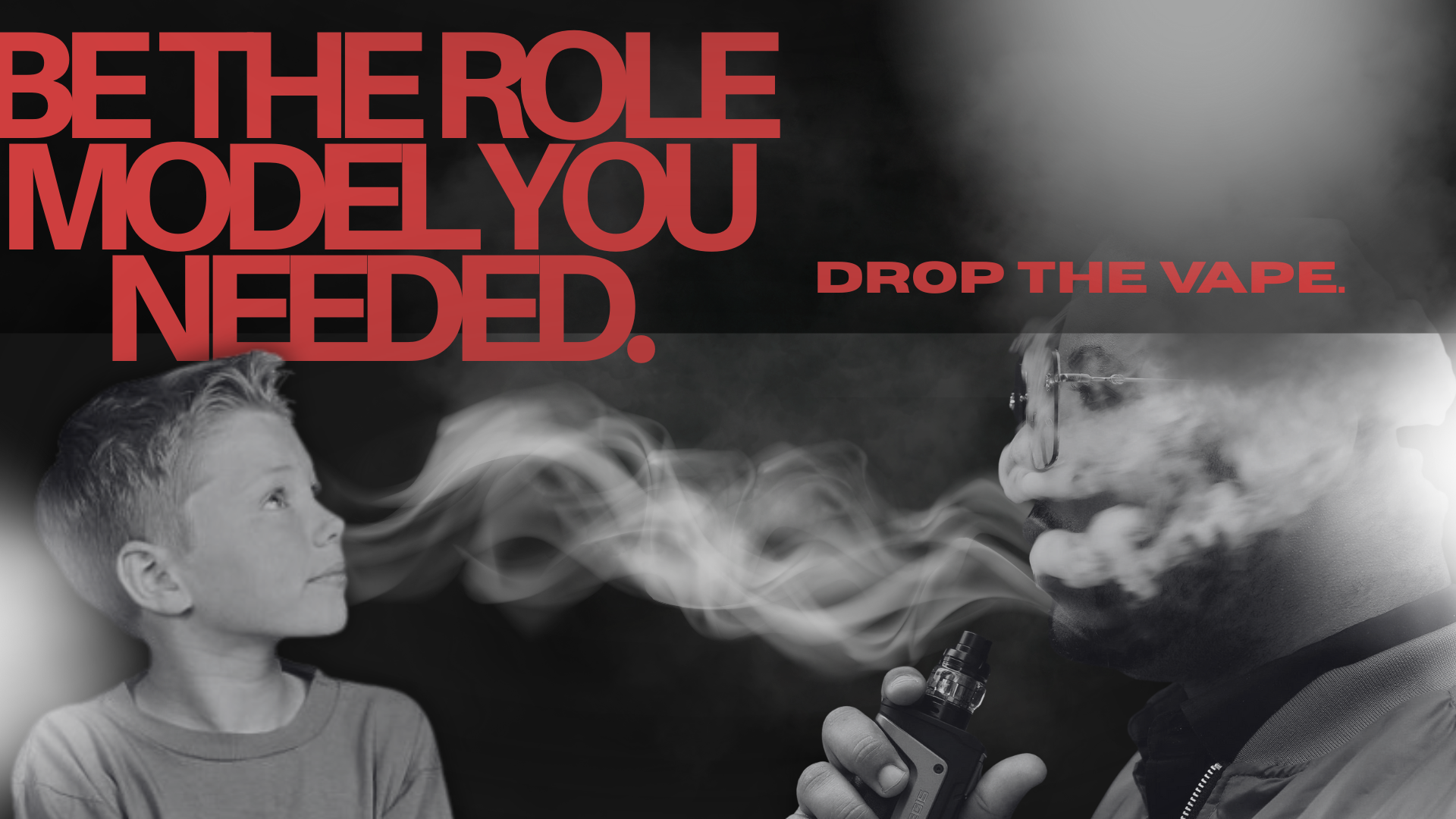
- Honorable Mention: “Be the Role Model YOU Needed” by Guadalupe Jacobo Ramirez
- Honorable Mention: “Expectation vs. Reality” by Nancy Villicana
- Honorable Mention: “Monterey County Vaping Challenge” by Reginald Allen
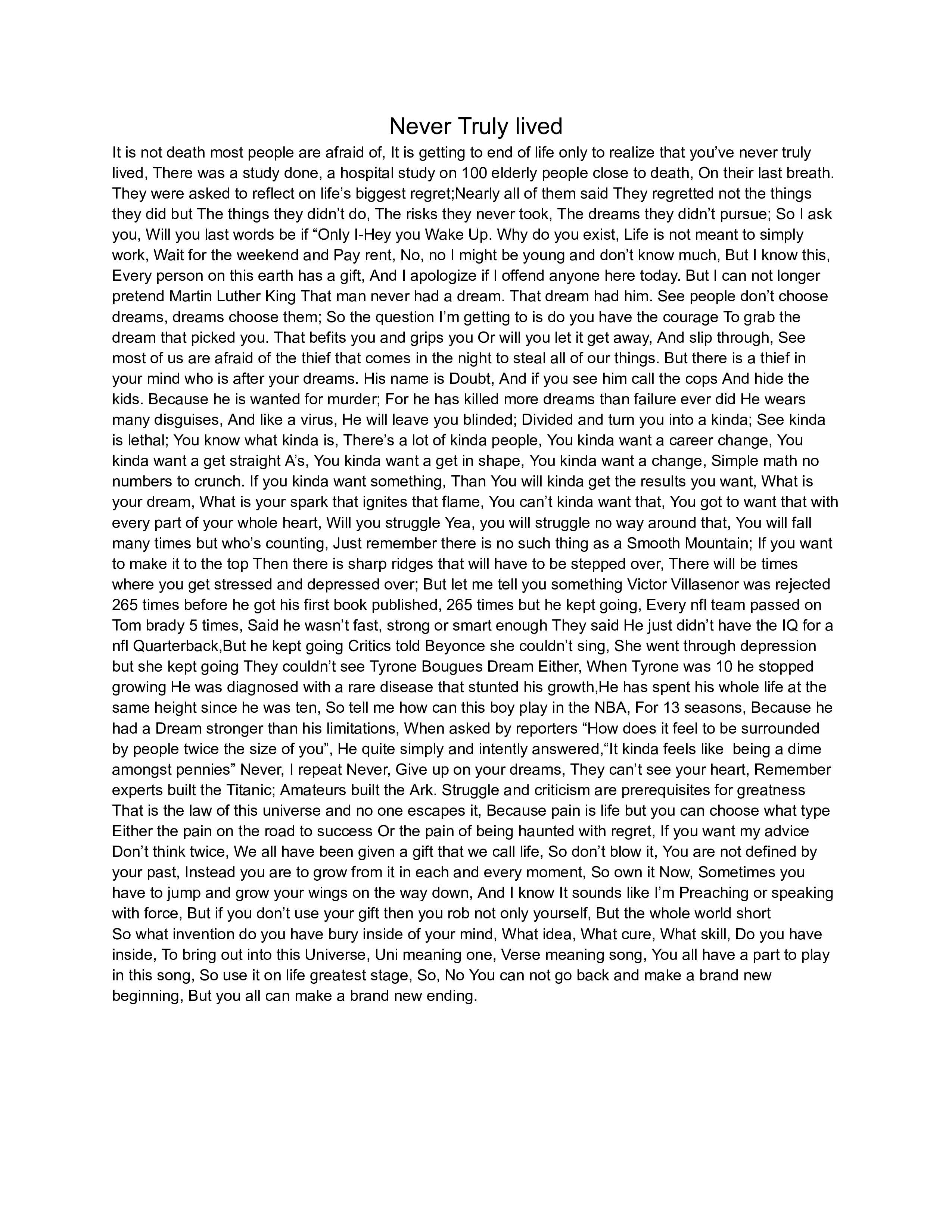
- Honorable Mention: “Never Truly Lived” by Ivan Avila
- Honorable Mention: “Say ‘No’ to the Vape” by Rodrigo Zavala
- Honorable Mention: “Smoke Filled Mirror” by Gisselle Sanders
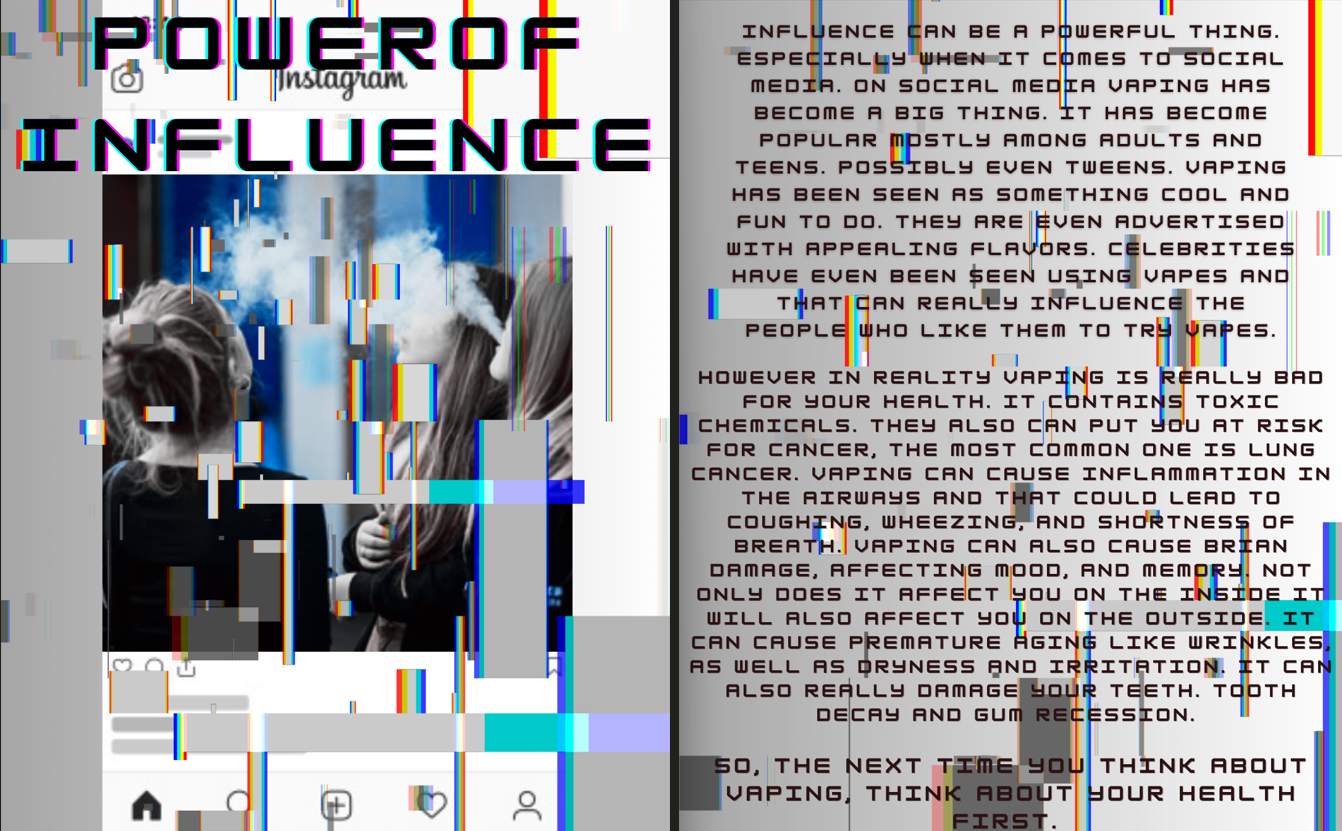
- Honorable Mention: “The Influence of Vaping on Social Media” by Troy Silvestre
- Honorable Mention: “Vape Awareness” by Yaridiana Garcia
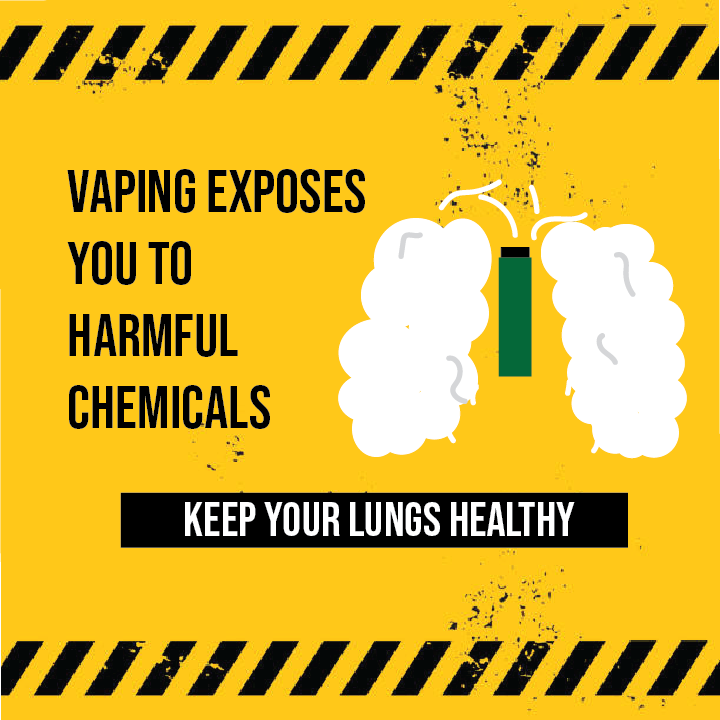
- Honorable Mention: “Vaping Kills” by Jezelle Rocha
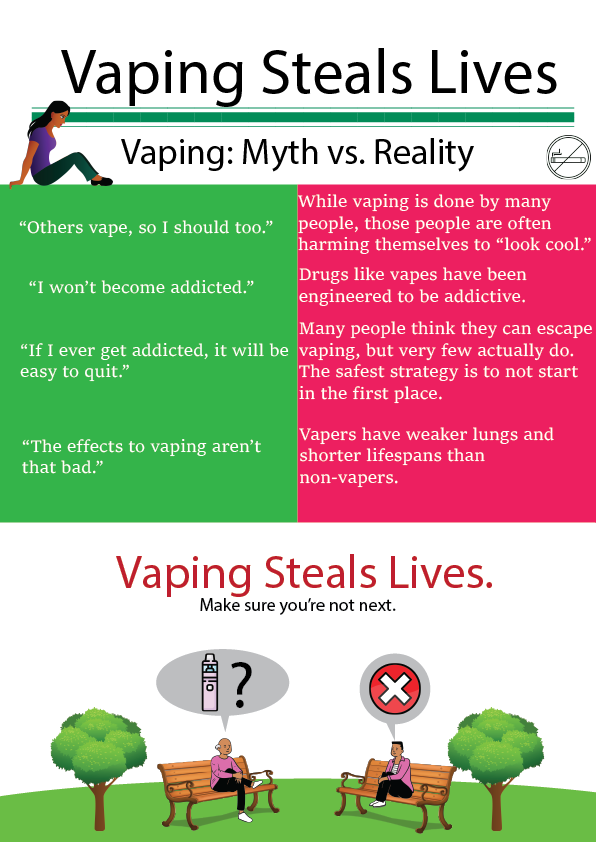
- Honorable Mention: “Vaping Steals Lives” by Grayson Kellogg
- Honorable Mention: “Why did I do it?” by Leonardo Lezama

Get The Facts
For Educators and Adult Advisors, check out this You and Me, Together Vape-Free curriculum, which is part of the Stanford Tobacco Prevention Toolkit, or these lesson plans from the Tobacco Education Resource Library.
For Youth, check out these resources to learn about addiction, the brain, e-cigarettes, and vape pens.
- “Do Vape Pens Trick Teens?” Youth Radio
- “The Real Cost of Vaping” website breaks down how nicotine affects focus, memory, and mental health, and other concerns for college students juggling academics, social life, and stress. It includes personal stories, quit tips, and resources specifically for young adults navigating campus life.
- “NIDA TV Spotlight on Electronic Cigarettes” National Institute on Drug Abuse (NIDA/NIH)
- “Why Youth Vape” (CDC)
- “Mental Health and Nicotine” (The Truth Initiative)
- Decoded – an educational campaign with the goal of supporting young people in their overall well-being, both physically and mentally.
Frequently Asked Questions
Who Can Participate?
Anyone between the ages of 12 and 25 who lives, works, or goes to school in Monterey County can enter.
What is the submission deadline?
Submit your entry by October 31, 2025.
What are the Prizes?
- First place: $1,000
- Second place: $750
- Third place: $500
- Honorable Mentions (7): $100 each
Where do I submit my entry?
As a first step, all young people contributing to the contest project and the adult advisor they selected need to set up a profile here.
Then entries can be submitted to the contest here. On the entry form, select “The Truth Unfiltered: Monterey County Vaping Media Challenge” for Contest.
How Are entries reviewed?
All submissions will be reviewed by the Youth Creating Change team and a panel of judges with expertise in the subject matter. Entries will be reviewed for creativity and content (how well they responded to one of the messaging prompts).
What end slate should I include at the end of my video?
For video entries, be sure to include our custom end slate. A vertical version and a horizontal version is available.
Do I need to sign a release form?
Yes. Everyone who worked on the project and/or appears in your video (including by voice) must have a youth profile with a signed release form. If you’re under 18, your parent/guardian must sign, too. This form allows both you and us to share your project.
What languages are accepted?
You can submit in any language — English, Spanish, Sign Language, and more. For all videos, even if it is in English, make sure to add English captions.
Can I use copyrighted music or images?
No. Make sure all music, video clips, and images in your project are copyright-free (or that you have permission).
We recommend using copyright-free / royalty-free / public domain elements in your film. Visit Film Resources to find these elements.
Any elements in your film or art, including but without limitation to music, audio, stills, video, supers, or other audiovisual materials used must:
- be entirely original, created and performed by the entrant and/or participants; or
- be in the public domain as creative work not protected by trademark or copyright, which can be used freely by anyone; or
- be purchased or released trademarked or released copyrighted elements, such as music, photographs, or logos.
- not have used AI to create any part of the entry (including but not limited to: script, background, editing, etc.). AI models are based on millions of images, including artists’ work, therefore this is not considered to be original work. As storytellers, artists and filmmakers we ask that you act with honesty, integrity, and respect as you create your films for this contest.
To submit proof of release and permission to use copyrighted materials, please include a signed letter or email from the rights holder that indicates the title of the film or art, the name of the contest, the student name or advisor name and indicates that there is no restriction to how the film containing the music/pictures/film is used.
Entries that include copyrighted materials or music without the proper permission and signed release forms will be disqualified.
Pictures and Film Clips: You may use public domain images and film clips in your film or art if you cite your sources in the credits. Please note: Images found in Google searches or elsewhere on the Internet are protected by copyright laws, even without a copyright symbol.
Music: Original music or music in the public domain (royalty-free) may be used in your film or art if the source is cited in the credits. See the Film Resources page for royalty-free music sites. This means you can’t just download your favorite song.
Logos: While it may not be possible to keep all brands out of view, there are easy ways to avoid them from showing. For example, dress your actors in clothing without logos, cover up laptop brands with a sticker or sticky note, or frame your shots so that recognizable stores are not highlighted. Using a brand may limit the use of your film on television or in movie theaters, due to brand copyright laws.
There is a US Copyright Fair Use Policy that allows teachers and students to use copyright-protected material in the classroom. Directing Change entries DO NOT fall under Fair Use guidelines. Since Directing Change-nominated videos and art might be shown publicly, copyright law must be followed. More resources:
Library of Congress’ Taking the Mystery out of Copyright: an interactive site for teens to learn about the many aspects of copyright.
Copyright and Public Domain: A reference site to help identify public domain songs and public domain music, royalty-free music you can use anywhere and any way you choose, performance, sing-along, film, video, advertising, business, or personal.
How will my entry be used?
Winning projects may be featured on Youth Creating Change and Monterey County Public Health websites, social media, awareness campaigns, educational resources, and more.
Who is this challenge funded by?
This challenge is funded by the Monterey County Department of Public Health.
Are there other ways to get involved?
Youth Creating Change offers a number of different contests, all focused on topics that matter such as mental health, suicide prevention, substance use and more. Learn more:
- Directing Change Film Contest (Submission Deadline March 1, 2026)
- Hope & Justice (Check website for art and film contest deadlines, offered monthly)
I am looking for mental health resources
Here are a few resources to get you started!
Soluna App:
Offers free mental health support for 13- to 25-year-olds in California, Soluna lets you chat 1 on 1 with professional mental health coaches. Plus: free-writing journals, de-stressing tools, and forums where you can get and give advice (or vent). Free and confidential.
www.solunaapp.com
Teen Line:
Call 1-800-852-8336 (from 6 p.m. to 10 p.m. PST)
Text TEEN to 839863 (from 6 p.m. to 9 p.m. PST)
www.teenline.org
@teenlineonline
Teen Line is a teen to teen hotline where teens can call, text or email about anything they are struggling with. Teen Line is staffed by trained teen listeners who understand what it is like to be a teen. No problem is too small, too large, or too shocking for the Teen Line volunteers.
988 Suicide & Crisis Lifeline:
Call or text 988
988 Chat
988Lifeline.org
Provides 24/7, free and confidential support for people in distress, as well as prevention and crisis resources.
Crisis Text Line:
Text HOPE to 741-741
Connect with a crisis counselor 24/7 to receive high quality text-based mental health support and crisis intervention.
The Trevor Lifeline:
866-488-7386
The Trevor Project is the leading national organization providing 24/7 crisis intervention and suicide prevention services to lesbian, gay, bisexual, transgender and questioning (LGBTQ) young people ages 13-24.
I am looking for resources to quit vaping
Here are a few resources to get you started:
- EX Program offers free, confidential, interactive, and personalized text-based service to support you on your quit journey. EX Program offers science-backed strategies and approaches to outsmart nicotine, 24/7 support, a library of proven tools/articles, and access to supportive online community of real people who get what you are going through. Available to anyone ages 13 and up. Text “MTRY” to 88709.
- Try this Vaping Reality Check quiz to see how vaping products may be affecting you. Knowing more can help you decide what to do about it.
Submit your project by October 31, 2025. Have questions? Contact us. Let’s make an impact—one story at a time.